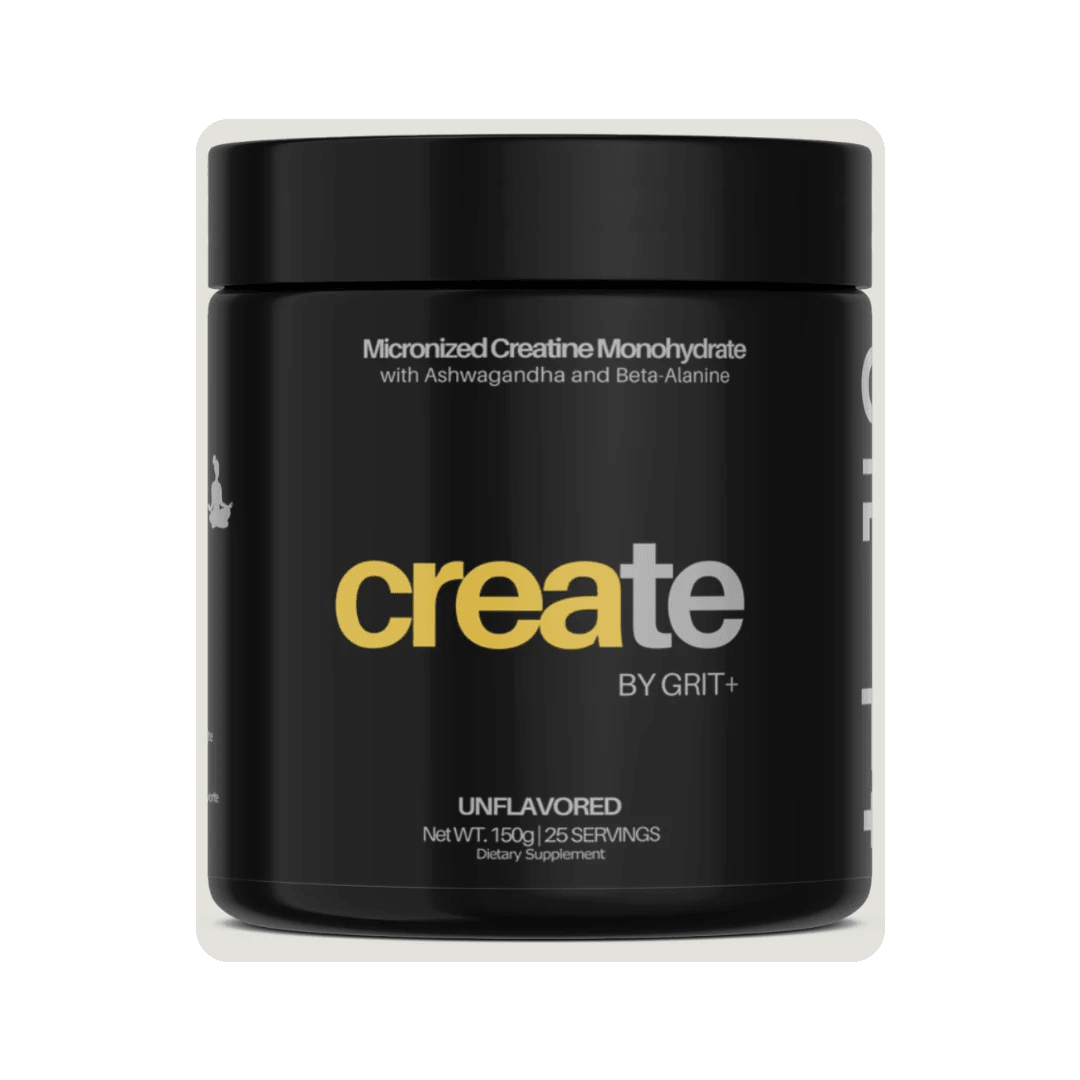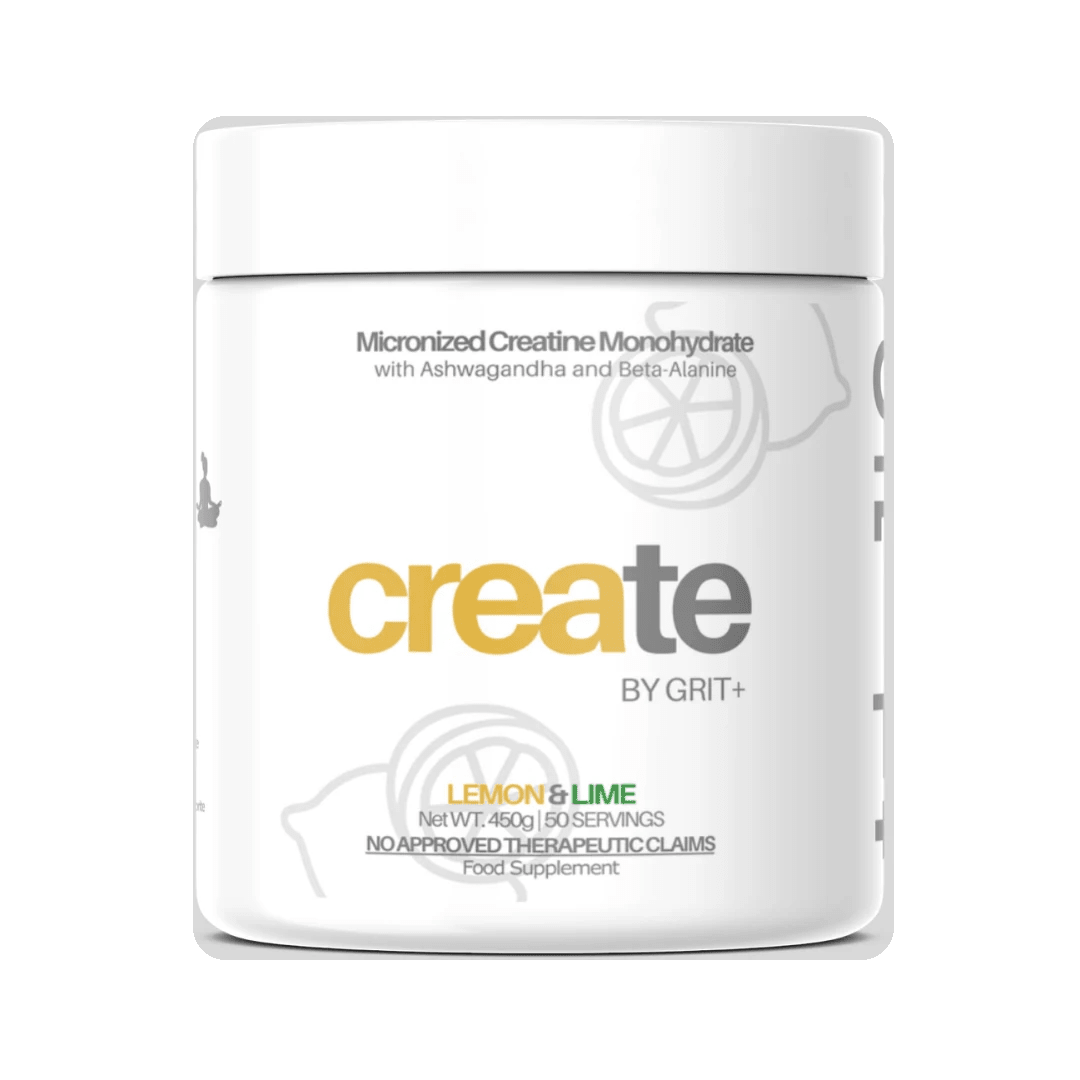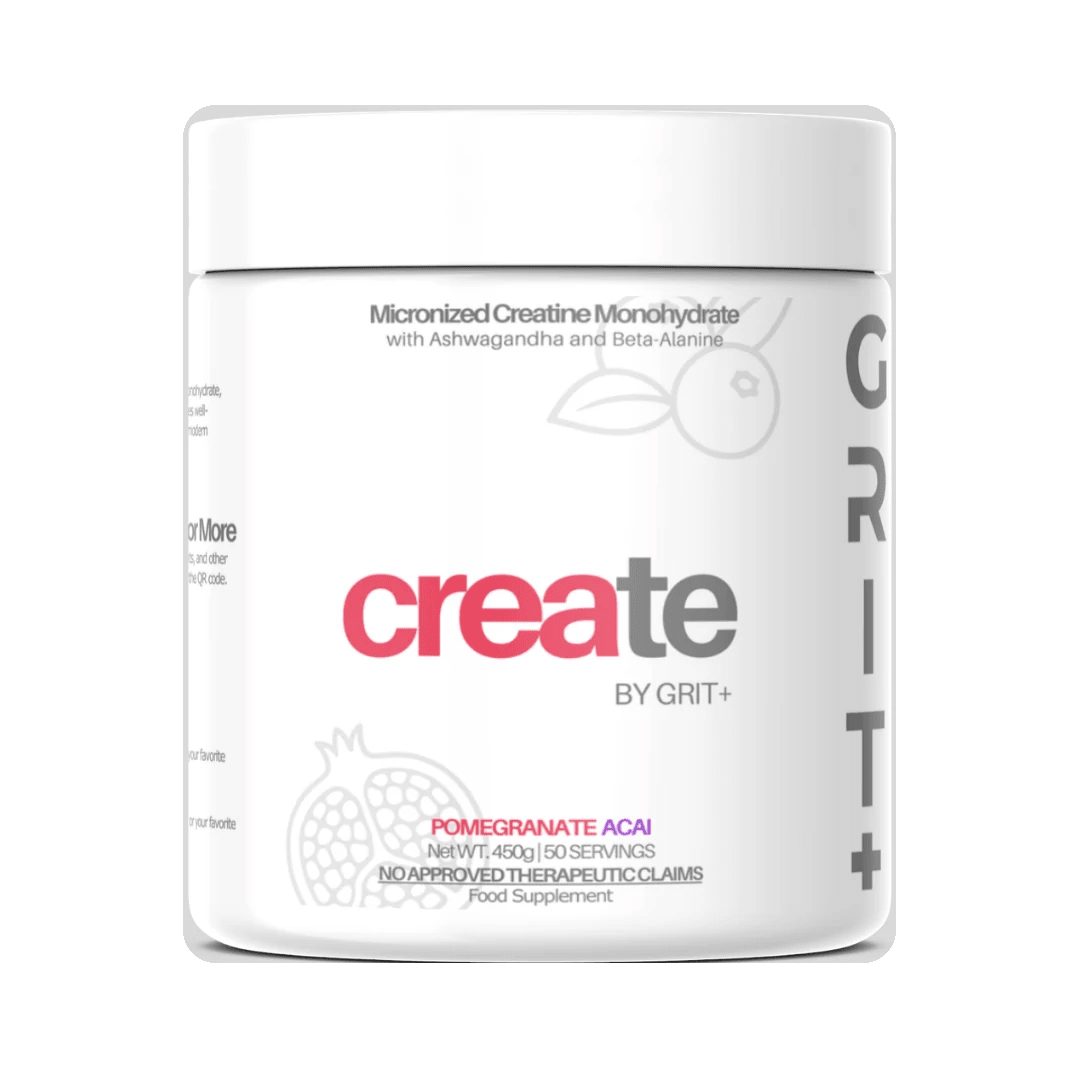
A practical guide for Philippine sports-nutrition shoppers: what independent laboratory testing can verify, what it cannot prove, and how to read testing, labels, and Philippine FDA registration information without confusing quality controls with clinical evidence.
Draft reviewed for source context on October 12, 2026. General education, not individualized medical advice. Owner medical/regulatory review is required before public publication.
Independence is only the beginning
An external laboratory may provide useful evidence, but the report still needs scope. Ask what was sampled, who identified the sample, which lot it represents and which methods were used. A laboratory name or testing badge without an original report cannot answer those questions.
Different tests answer different questions
Identity testing considers whether the sample matches the tested material; an assay quantifies a specified constituent; microbiological and heavy-metal tests address selected contaminants. Not every panel includes every relevant parameter. The existence of a test does not mean all safety or quality questions have been answered.
Raw material versus finished product
A raw-material result can support information about that ingredient lot, while a finished-product report concerns the submitted finished sample. Neither should be relabelled as the other. Flavor, production batch, storage and sampling context can affect applicability. A test on one batch is not evidence covering all future batches.
Results need context
Read result, units, method, reporting limits and criteria together. A below-detection result is not necessarily a measured zero. Any accreditation or certification claim needs its own authentic applicable evidence. Where criteria or interpretations are unclear, qualified laboratory/regulatory review is more appropriate than a marketing inference.
Testing is not efficacy research
Quality tests do not prove that taking a supplement produces a clinical or training result. Ingredient studies and finished-product clinical trials are separate. The GRIT+ Hub is prepared to display originals and narrow explanations; no new laboratory data or result has been invented for this redesign.
Original sources
- NIH ODS consumer guidance
- Current regulatory guidelines and resources
- ISSN Position Stand: Beta-Alanine
- NCCIH: Ashwagandha
- Philippine FDA FAQs
- Philippine FDA Verification Portal
These sources describe ingredients or evidence literacy. They do not establish that CREATE has been clinically tested or independently certified in this handoff.