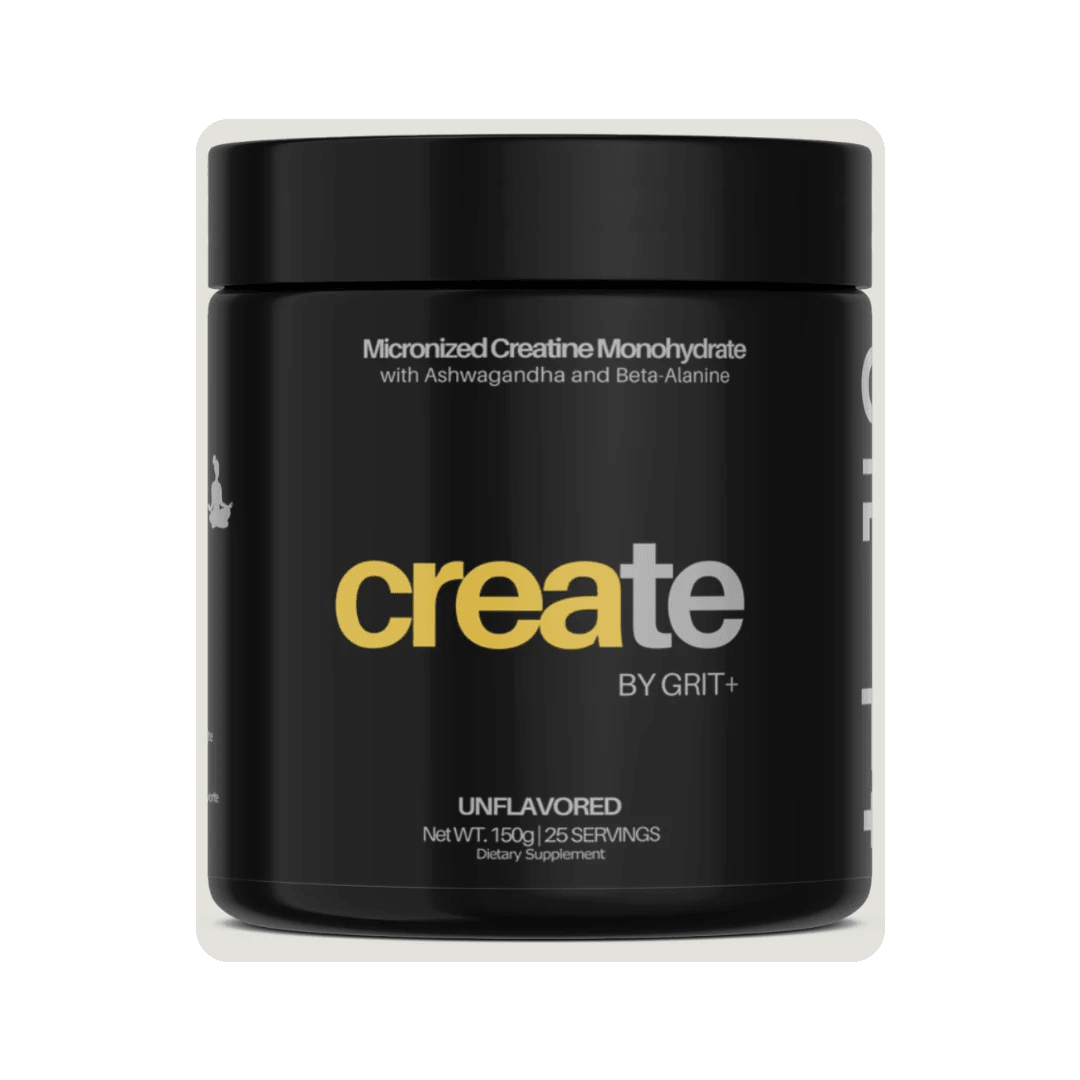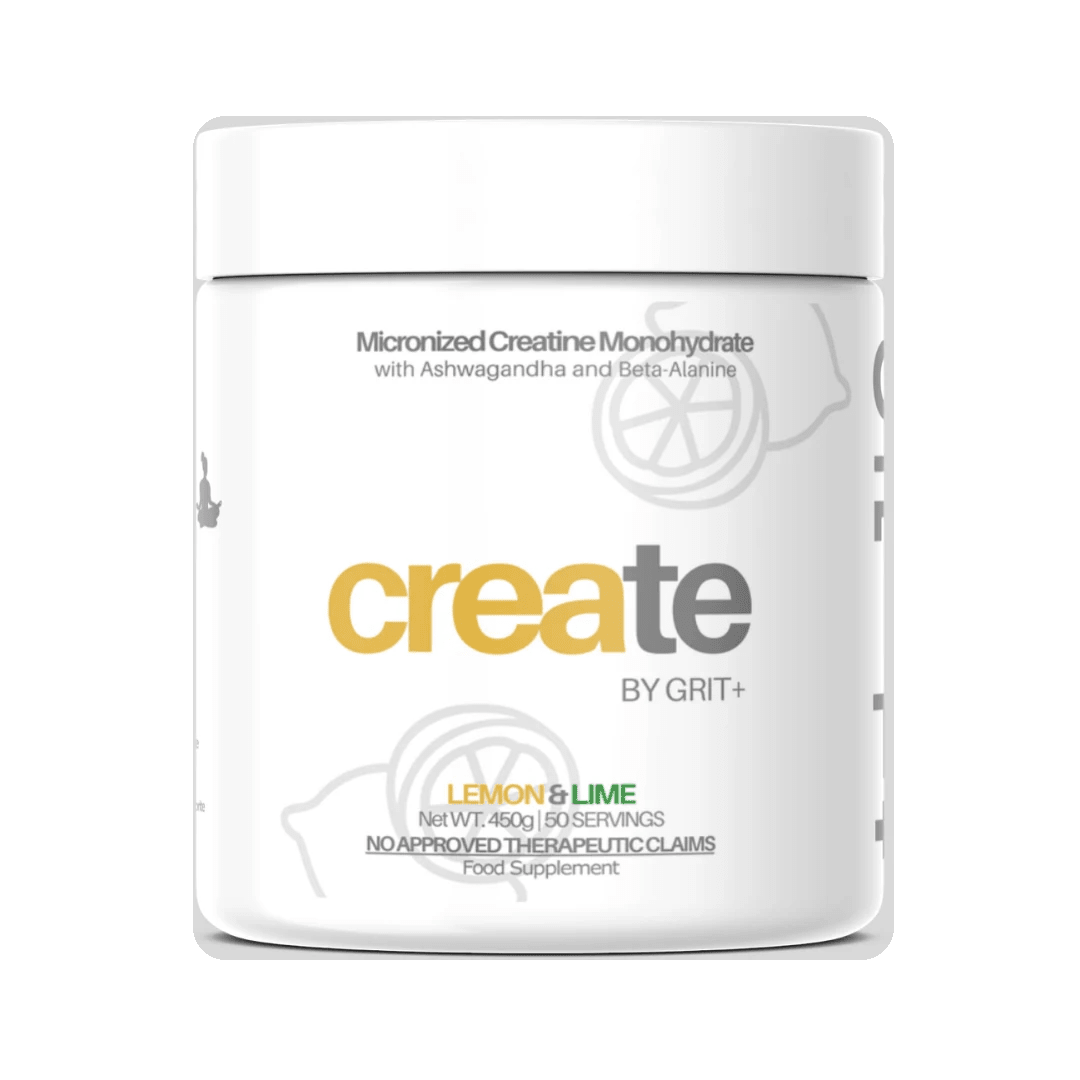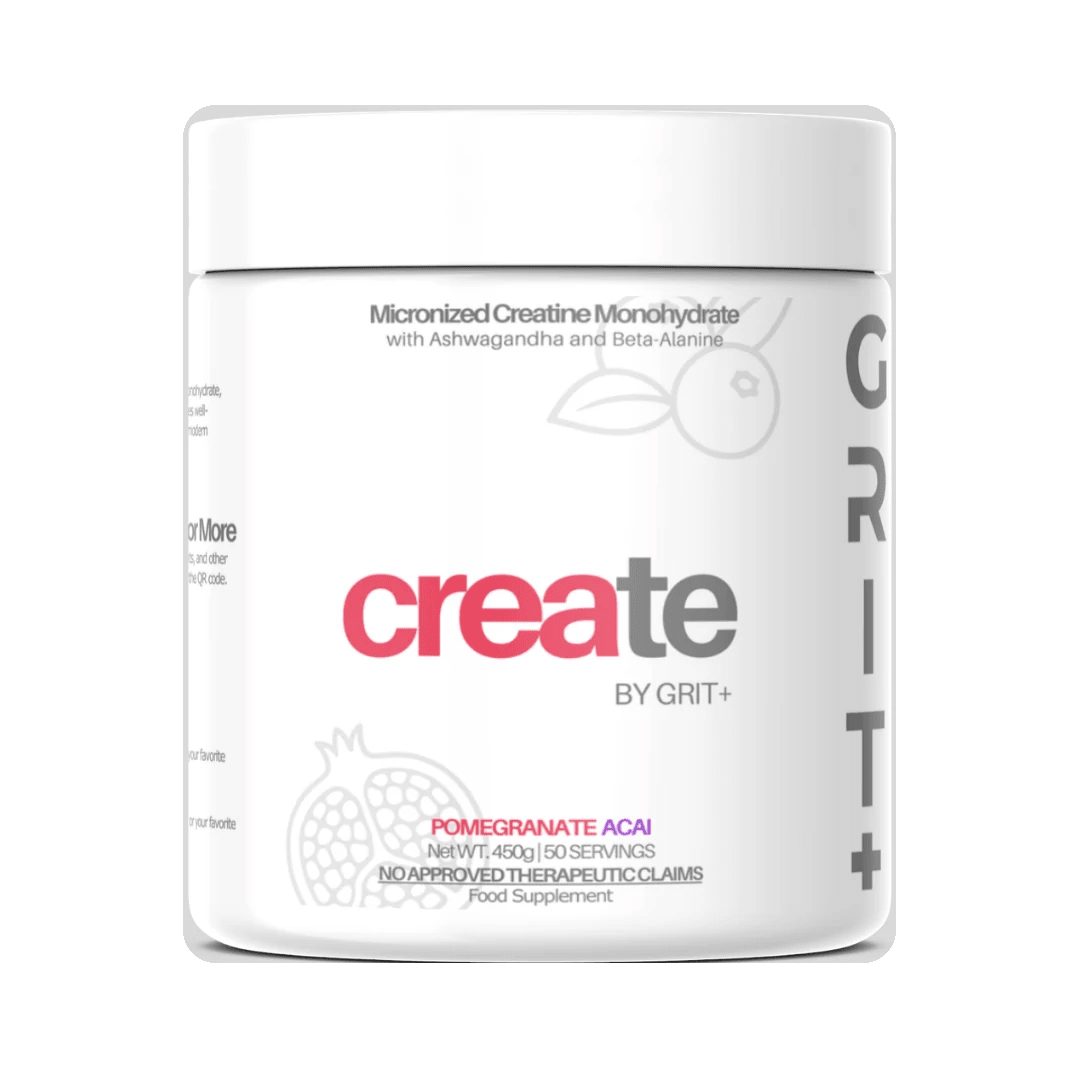
A practical, evidence-aware guide to beta-alanine for Philippine athletes and gym-goers: what it may do, why it is not an instant pre-workout, common tingling, research-dose context, product-label cautions, and how to assess multi-ingredient formulas.
Draft reviewed for source context on October 12, 2026. General education, not individualized medical advice. Owner medical/regulatory review is required before public publication.
A role different from creatine
Beta-alanine is an amino acid used to make carnosine in muscle. Carnosine helps buffer changes in acidity during high-intensity activity. This mechanism differs from the creatine-phosphocreatine energy system; combining ingredients does not prove synergy or establish a particular finished-product result.
Why regular use matters in studies
Research generally examines daily beta-alanine supplementation over weeks, not an immediate sensation after one serving. Its potential usefulness depends on exercise duration, intensity, training and study design. Published protocols often use higher daily amounts than a possible 1 g label amount; do not increase a multi-ingredient product to imitate such research.
What tingling means
Beta-alanine can cause temporary tingling, called paresthesia. The sensation does not demonstrate that a supplement is effective, and lack of tingling does not establish failure. A new or concerning reaction should not be dismissed as normal: stop use and seek appropriate advice if symptoms are worrying or differ from expected temporary tingling.
A practical label check
Read how much beta-alanine is stated per approved serving, not only the front product name. Check all ingredients when comparing or stacking products. Research on beta-alanine alone is not finished-product clinical evidence for CREATE, and more scoops also increases its other ingredients.
Limits and responsible use
Evidence and safety observations concern specific amounts, durations and populations. There is no universal performance or safety guarantee. Follow the current approved product label and discuss medicines, health conditions, pregnancy or breastfeeding with a qualified professional rather than relying on a marketing claim.
Original sources
- NIH ODS — Dietary Supplements for Exercise and Athletic Performance
- International Society of Sports Nutrition position stand: Beta-Alanine
- NCCIH — Ashwagandha: Usefulness and Safety
- Philippine FDA — FAQs (LTO and CPR guidance)
These sources describe ingredients or evidence literacy. They do not establish that CREATE has been clinically tested or independently certified in this handoff.