A practical, evidence-aware guide to ashwagandha: what short-term human studies suggest, why extract and dose matter, who should avoid it, and how to interpret a multi-ingredient product label in the Philippines.
Draft reviewed for source context on October 12, 2026. General education, not individualized medical advice. Owner medical/regulatory review is required before public publication.
Preparation matters
Ashwagandha is Withania somnifera, a botanical used in different root, leaf and extract preparations. Products and trials differ by plant part, extraction and standardization. A milligram figure alone cannot establish equivalence between preparations. Do not infer a withanolide percentage or branded extract from a product name.
What current evidence can say
NCCIH describes findings suggesting some preparations may help insomnia or stress, while anxiety evidence is unclear and evidence for athletic performance is insufficient. Many studies are small and use different preparations. A finding in one population or short-term trial does not guarantee a benefit from every product containing ashwagandha.
Safety is not universal
Long-term safety is uncertain. Reported adverse effects include drowsiness and gastrointestinal symptoms; rare liver injury has been linked to supplements. Avoid during pregnancy and breastfeeding. People with thyroid or autoimmune disorders, upcoming surgery or hormone-sensitive prostate cancer should avoid use or obtain appropriate professional guidance as described by NCCIH.
Medicine interactions deserve attention
Potential interactions include medicines for diabetes or high blood pressure, immunosuppressants, sedatives, anticonvulsants and thyroid medicines. A botanical is not automatically harmless because it is natural. Consult a qualified clinician who can review the complete medicine and supplement list.
Interpreting CREATE
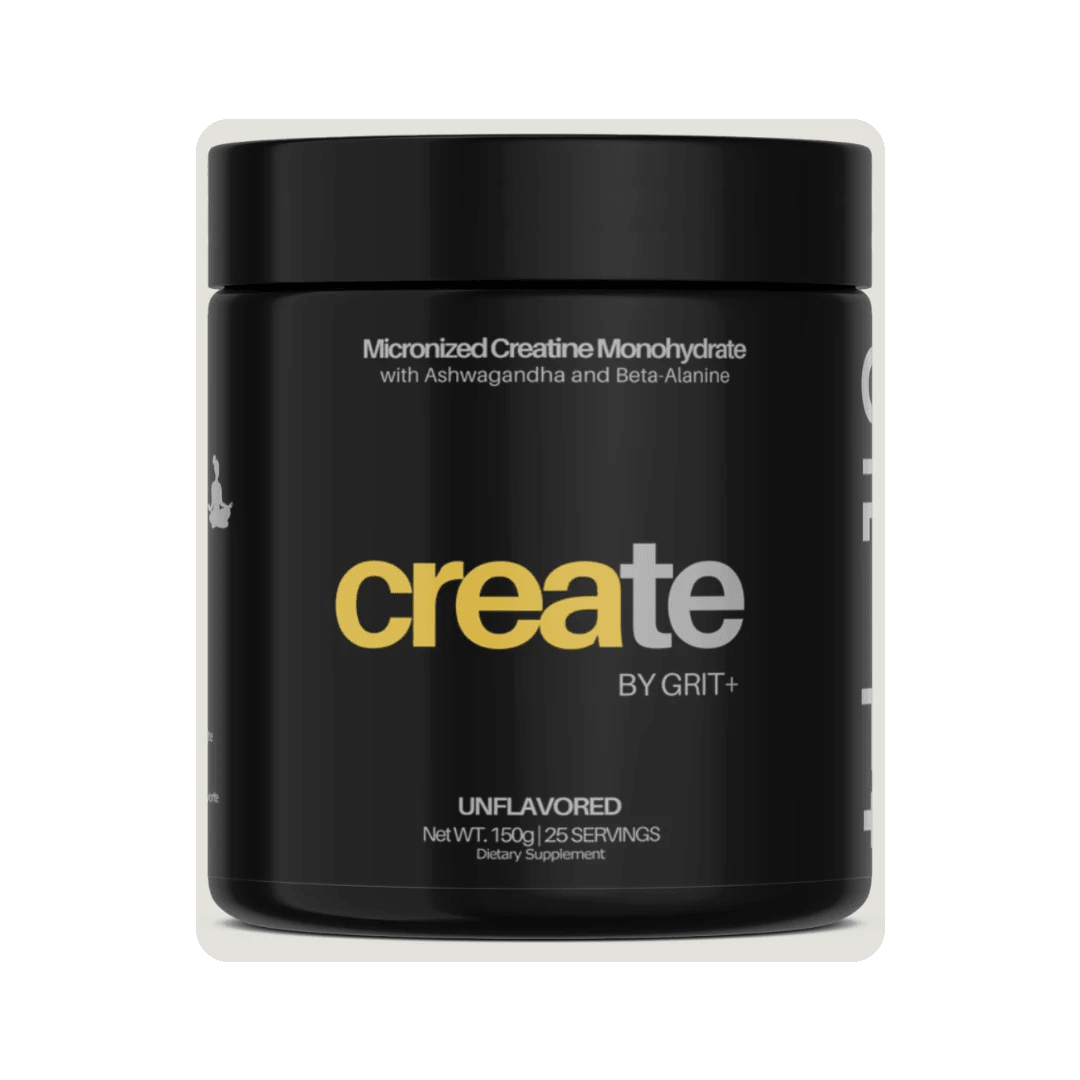
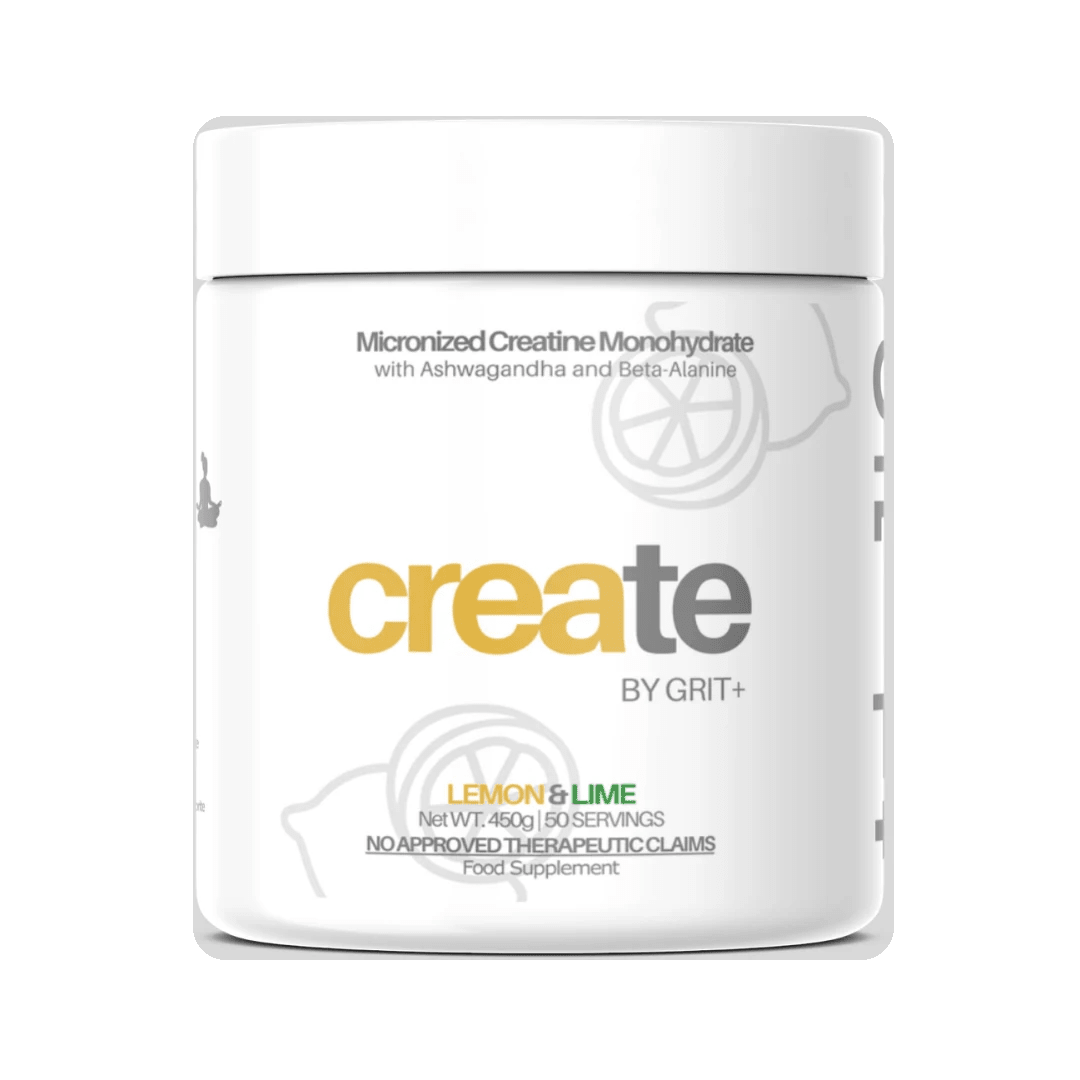
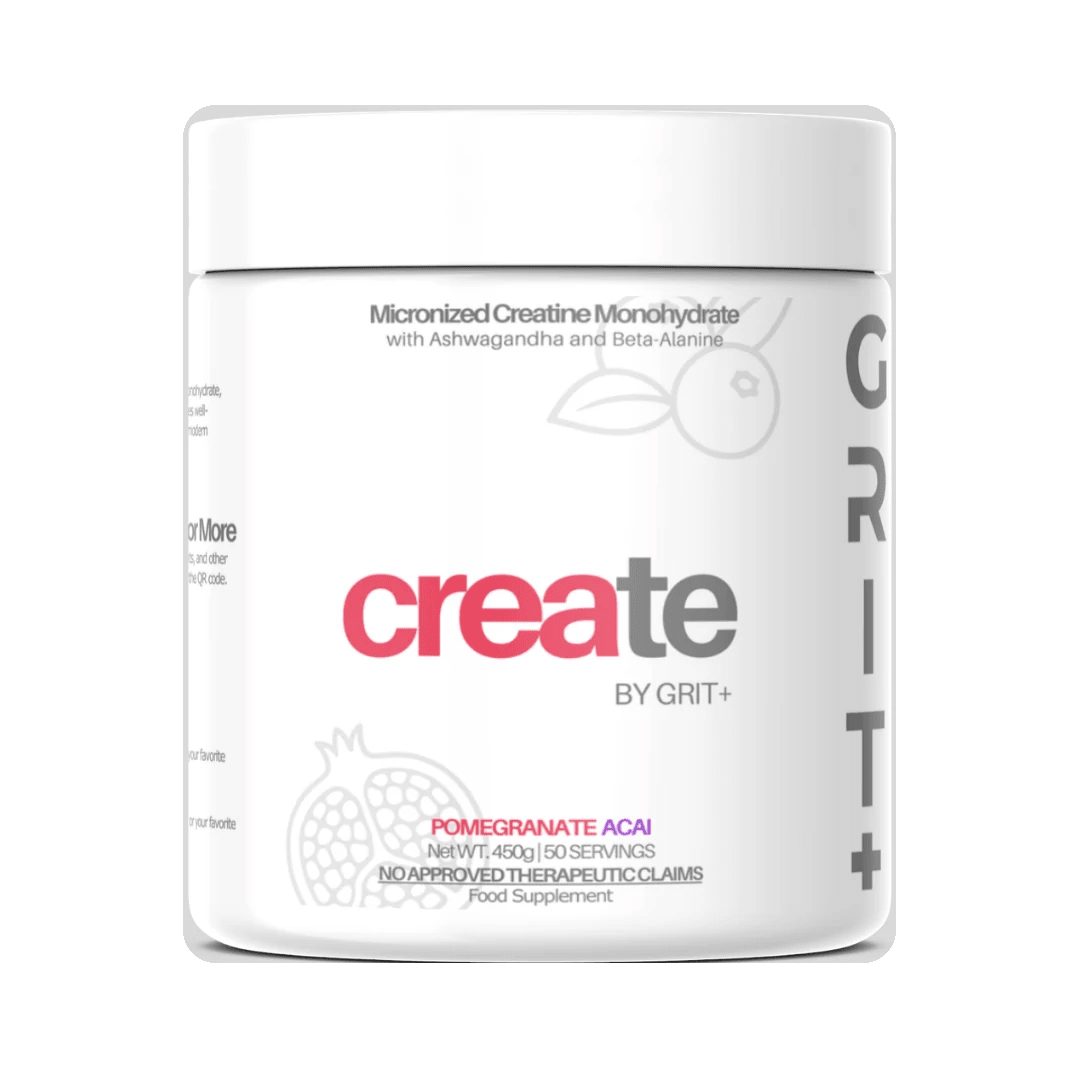
The current approved CREATE label and actual preparation must be confirmed before a product-specific extract claim is made. Ingredient-level studies are not clinical testing of the finished formula. This guide does not recommend an individual dose, loading protocol or treatment, and does not promise stress, hormone or performance outcomes.
Original sources
- NCCIH: Ashwagandha—Usefulness and Safety
- NIH ODS: Ashwagandha Health Professional Fact Sheet
- Cheah et al., Effect of Ashwagandha extract on sleep
- Philippine FDA Frequently Asked Questions
These sources describe ingredients or evidence literacy. They do not establish that CREATE has been clinically tested or independently certified in this handoff.