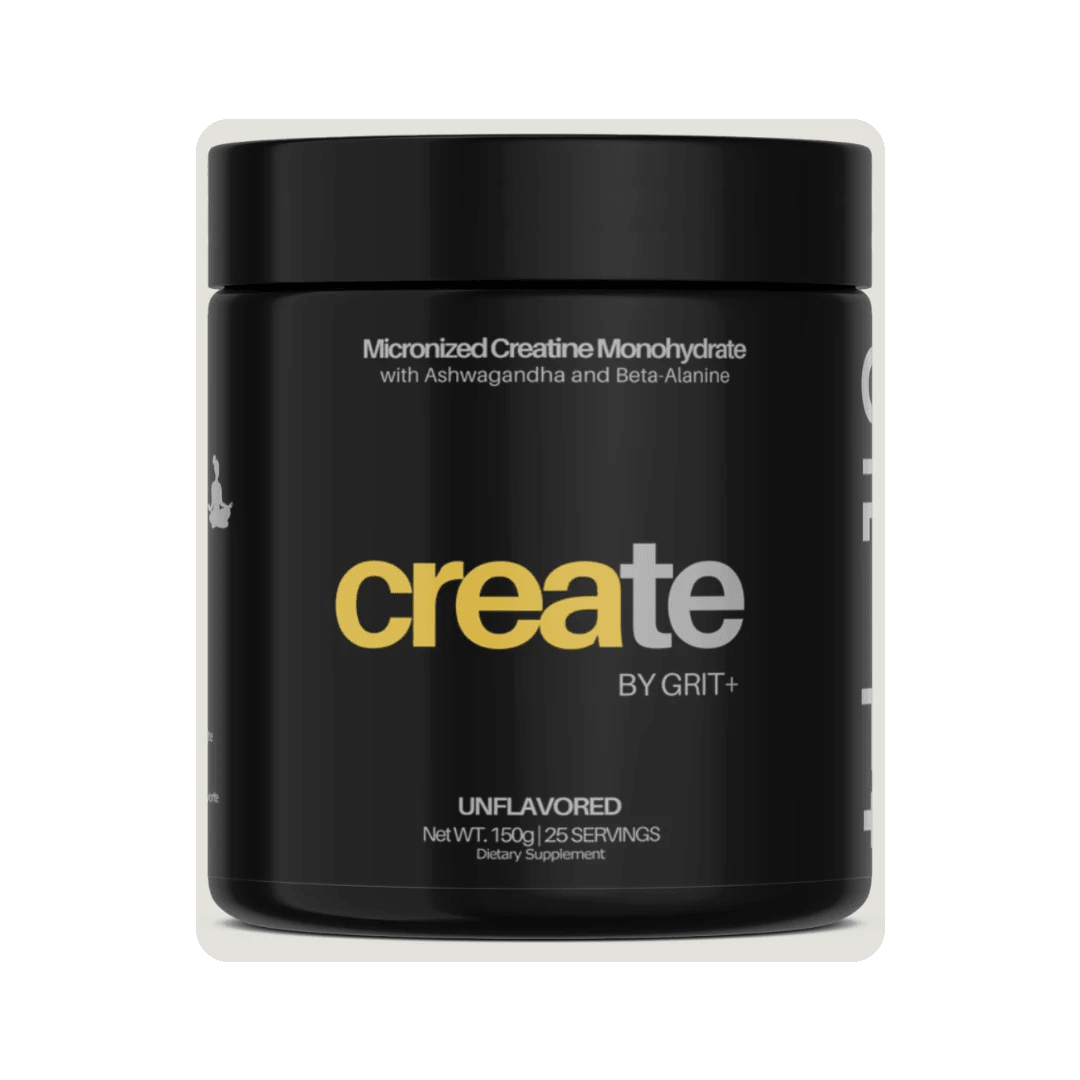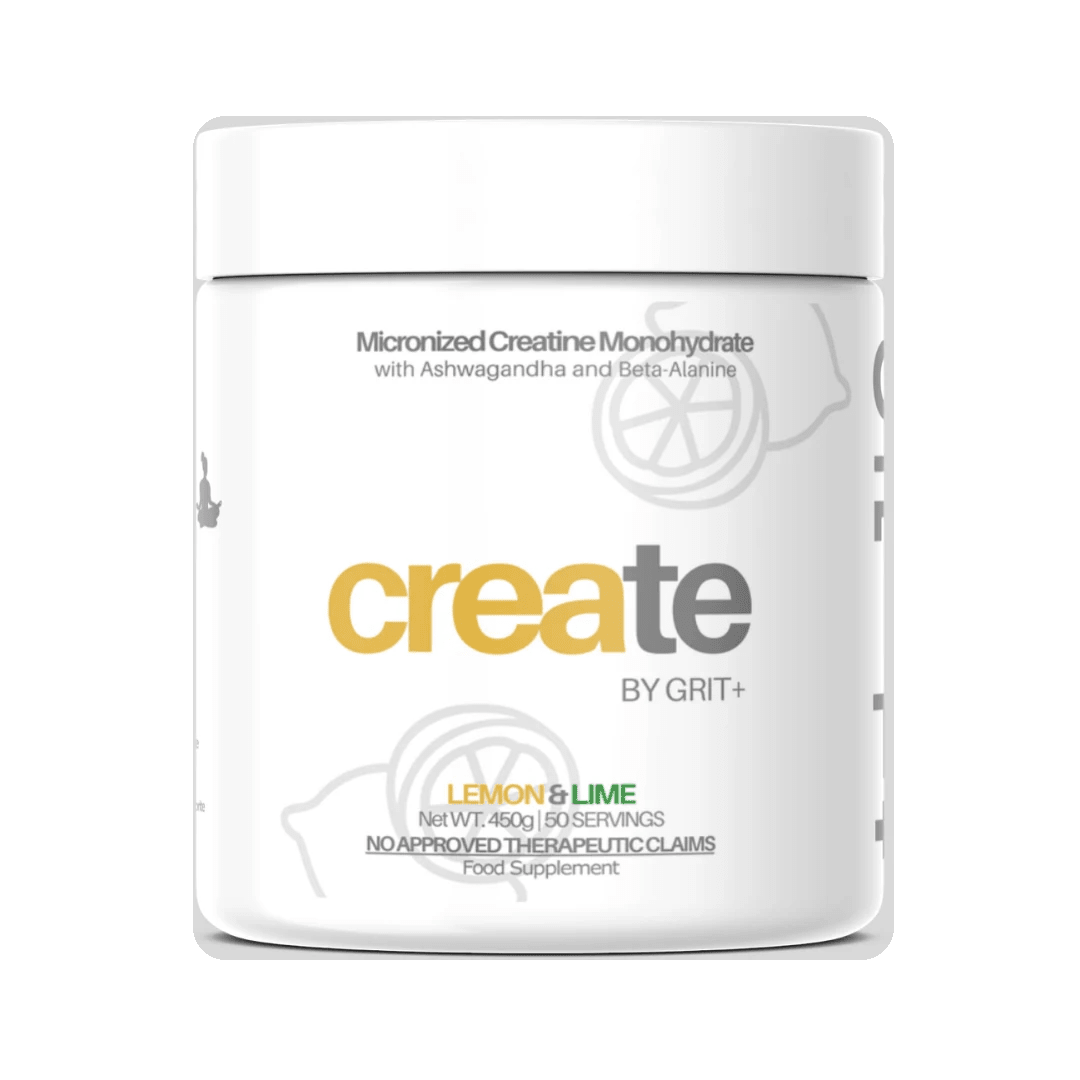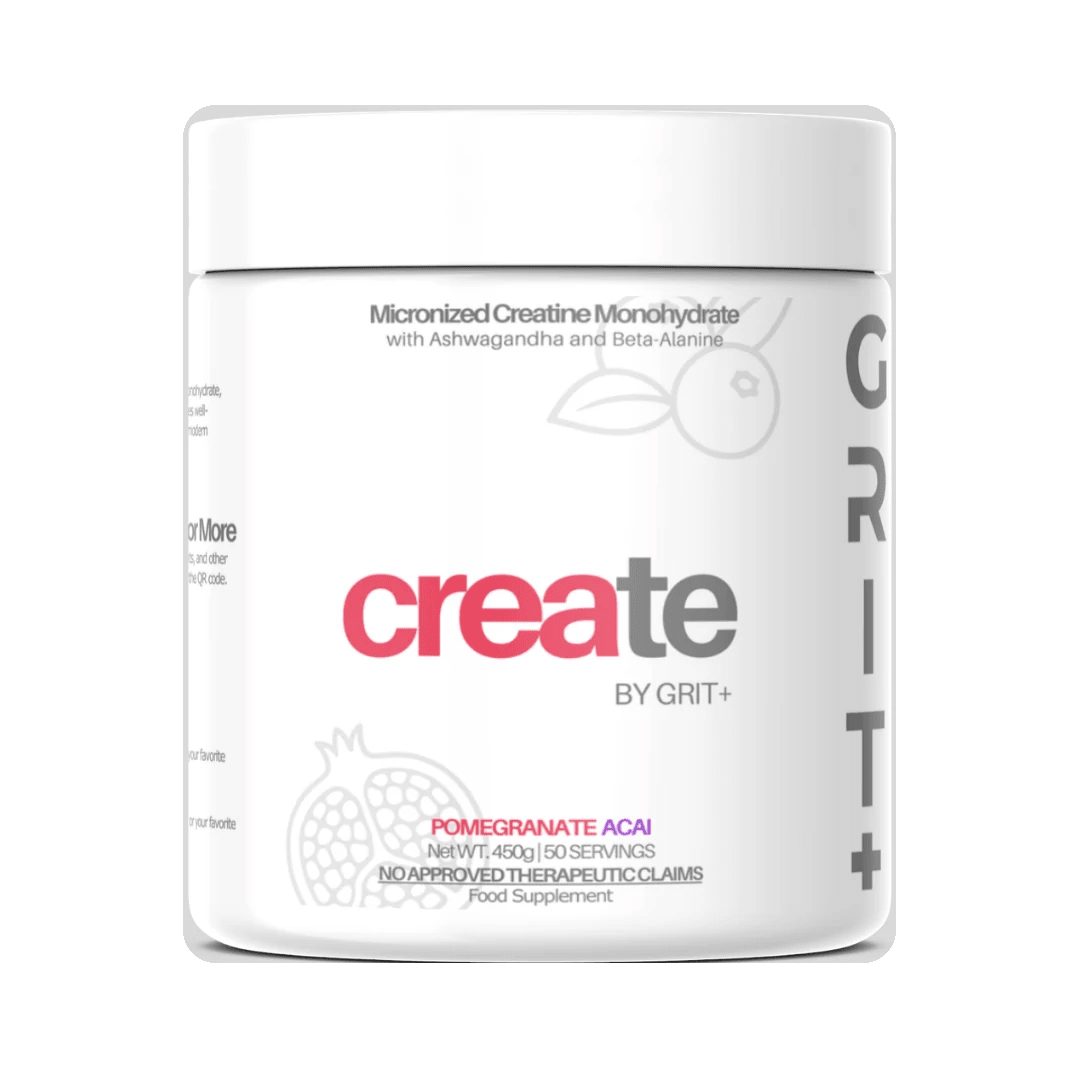
A practical, evidence-led explanation of creatine monohydrate, what research can and cannot say about multi-ingredient products, and how to read safety and Philippine FDA information.
Draft reviewed for source context on October 12, 2026. General education, not individualized medical advice. Owner medical/regulatory review is required before public publication.
What creatine does
Creatine is a compound made by the body and obtained from foods such as meat and fish. Much of it is stored in skeletal muscle. The phosphocreatine system helps regenerate ATP, the immediate energy currency used during short, intense efforts. This is a specific physiological role, not an unlimited source of energy or a substitute for food.
What the research supports
Creatine monohydrate is one of the most extensively studied sports-supplement ingredients. Research supports improvements in some measures of strength, power and repeated high-intensity exercise, particularly alongside appropriate training. Benefits are less consistent for endurance-only activity and vary between individuals and studies. Results from a single-ingredient trial cannot be transferred automatically to a different finished formula.
Water, weight and expectations
An increase in body weight can reflect increased water stored with muscle creatine; it is not automatically fat gain or proof of new muscle tissue. Creatine is not a steroid and does not itself guarantee a physique outcome. Training consistency, sufficient nutrition, sleep and individual circumstances still matter.
Reading research without creating product directions
Research protocols describe the specific supplement and participants studied. Do not convert a standalone creatine loading protocol into directions for CREATE, which also contains beta-alanine and ashwagandha. Its current approved label controls serving and usage instructions. Total named active weight should not be confused with total flavored powder weight.
Safety and choosing a product
Healthy-adult research is not a safety guarantee for every person. Discuss use with a qualified healthcare professional if you have kidney concerns, other health conditions, take medicines or need individual advice. Check the current label and relevant Philippine FDA records, while recognizing that registration is not government endorsement of performance claims.
Original sources
- NIH Office of Dietary Supplements: Dietary Supplements for Exercise and Athletic Performance
- ISSN Position Stand: Safety and Efficacy of Creatine Supplementation
- NCCIH: Ashwagandha—Usefulness and Safety
- Philippine FDA Frequently Asked Questions
- PubMed: Beta-alanine supplementation to improve exercise capacity and performance
These sources describe ingredients or evidence literacy. They do not establish that CREATE has been clinically tested or independently certified in this handoff.