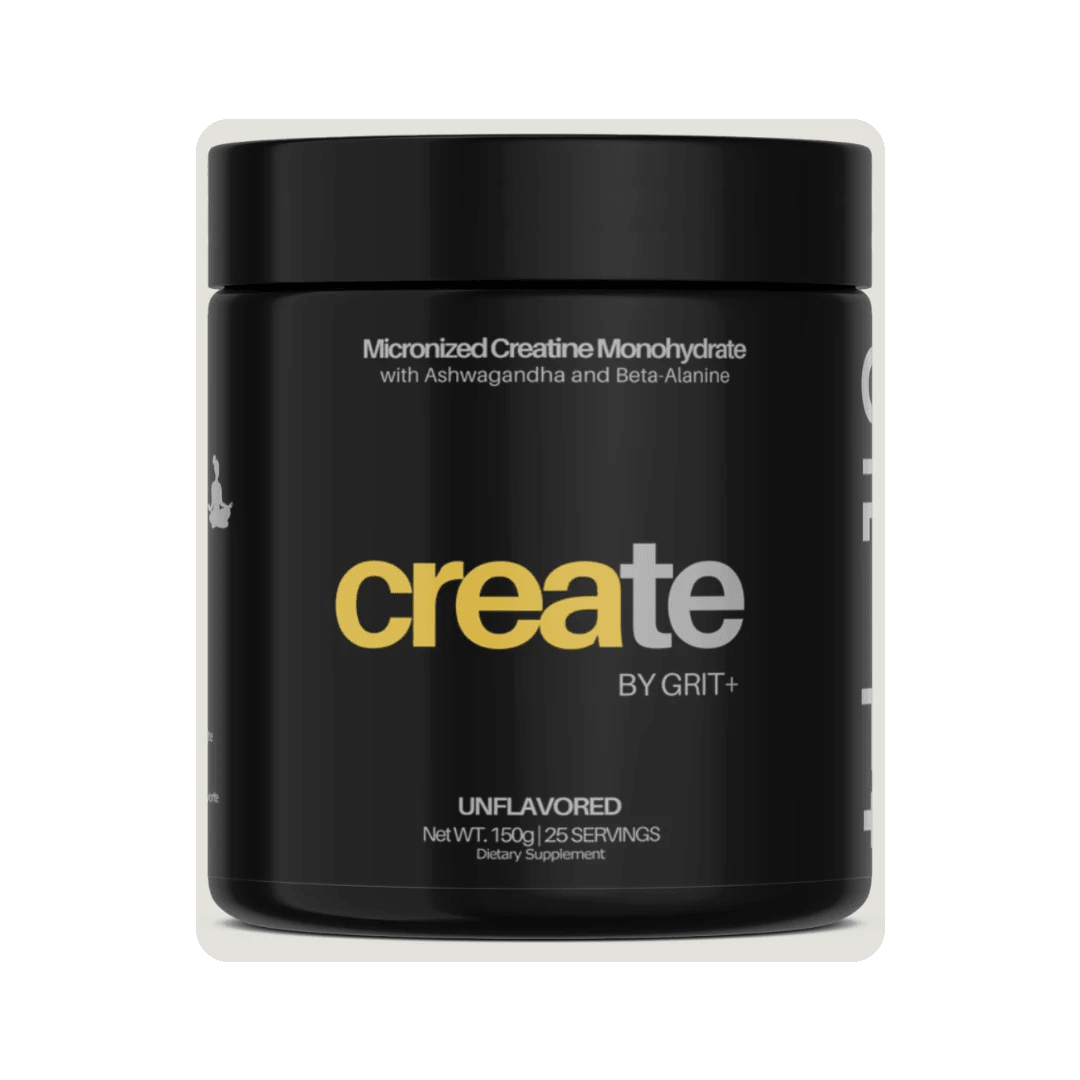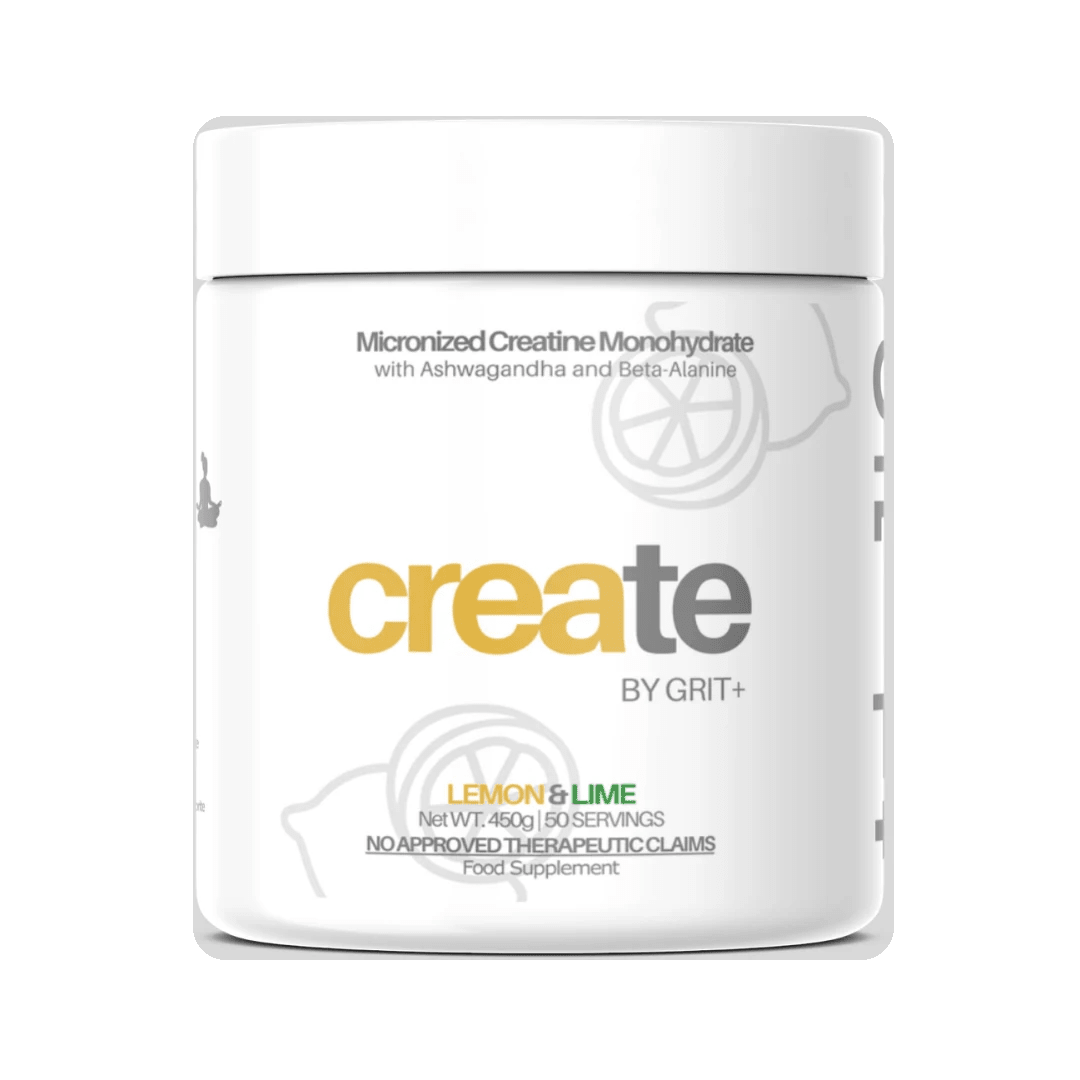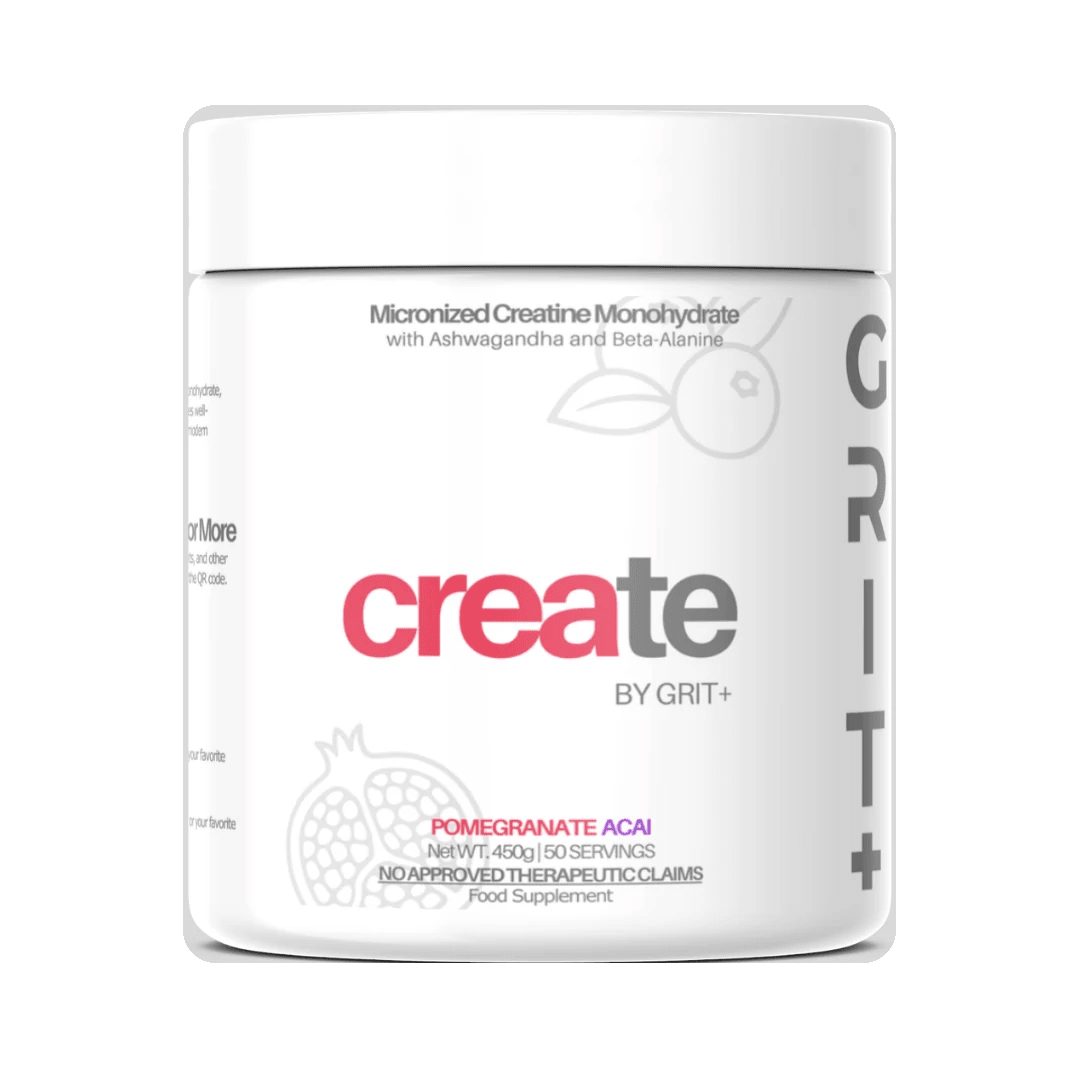
A practical, evidence-aware guide to creatine, beta-alanine, and ashwagandha claims—what research supports, what it does not, and how to read a multi-ingredient product label in the Philippines.
Draft reviewed for source context on October 12, 2026. General education, not individualized medical advice. Owner medical/regulatory review is required before public publication.
Myth: creatine is a steroid
Creatine is not an anabolic steroid. It has a different physiological role in muscle energy storage. That distinction does not mean every supplement containing it has the same evidence, quality or suitability; the full formula and current label still matter.
Myth: an immediate feeling proves it works
Creatine research concerns stores and repeated training/exercise outcomes, not an instant stimulant-like feeling. Tingling in a multi-ingredient product may relate to beta-alanine and is not proof of a performance benefit. Lack of a noticeable feeling is not a reliable test of effectiveness either.
Myth: weight gain always means fat
Some weight change with creatine can reflect water associated with muscle creatine stores. It is not automatically fat gain or a guarantee of new muscle. Body-composition interpretation requires context rather than a single scale reading or before-and-after photo.
Myth: every blend is superior
Additional ingredients change composition; they do not prove synergy, faster absorption or clinical superiority. Check the actual quantities and preparation, the relevant study population, and whether evidence concerns the finished product. A smaller study or a different extract does not establish the same result for CREATE.
Myth: one ingredient proves safety for everyone
Evidence in healthy adults does not erase other ingredients, medicines or health conditions. Ashwagandha has specific precautions and potential interactions. Follow the current approved label and professional guidance where needed; do not treat “natural,” FDA registration or a laboratory badge as universal safety assurance.
Original sources
- NIH ODS exercise fact sheet
- ISSN creatine position stand
- ISSN beta-alanine position stand
- NCCIH: Ashwagandha
- Philippine FDA FAQs
- Philippine FDA Verification Portal
These sources describe ingredients or evidence literacy. They do not establish that CREATE has been clinically tested or independently certified in this handoff.