A practical guide for Philippine sports-nutrition shoppers: what a Certificate of Analysis can show, what it cannot prove, how ingredient research differs from finished-product testing, and how to check FDA records without treating registration as endorsement.
Draft reviewed for source context on October 12, 2026. General education, not individualized medical advice. Owner medical/regulatory review is required before public publication.
What a COA is
A Certificate of Analysis summarizes specified tests on an identified sample or lot. It can help assess whether tested parameters meet stated criteria, but the meaning depends on the complete record. The title alone does not establish who sampled the material, what was tested or whether the report applies to a purchased tub.
Identify the sample first
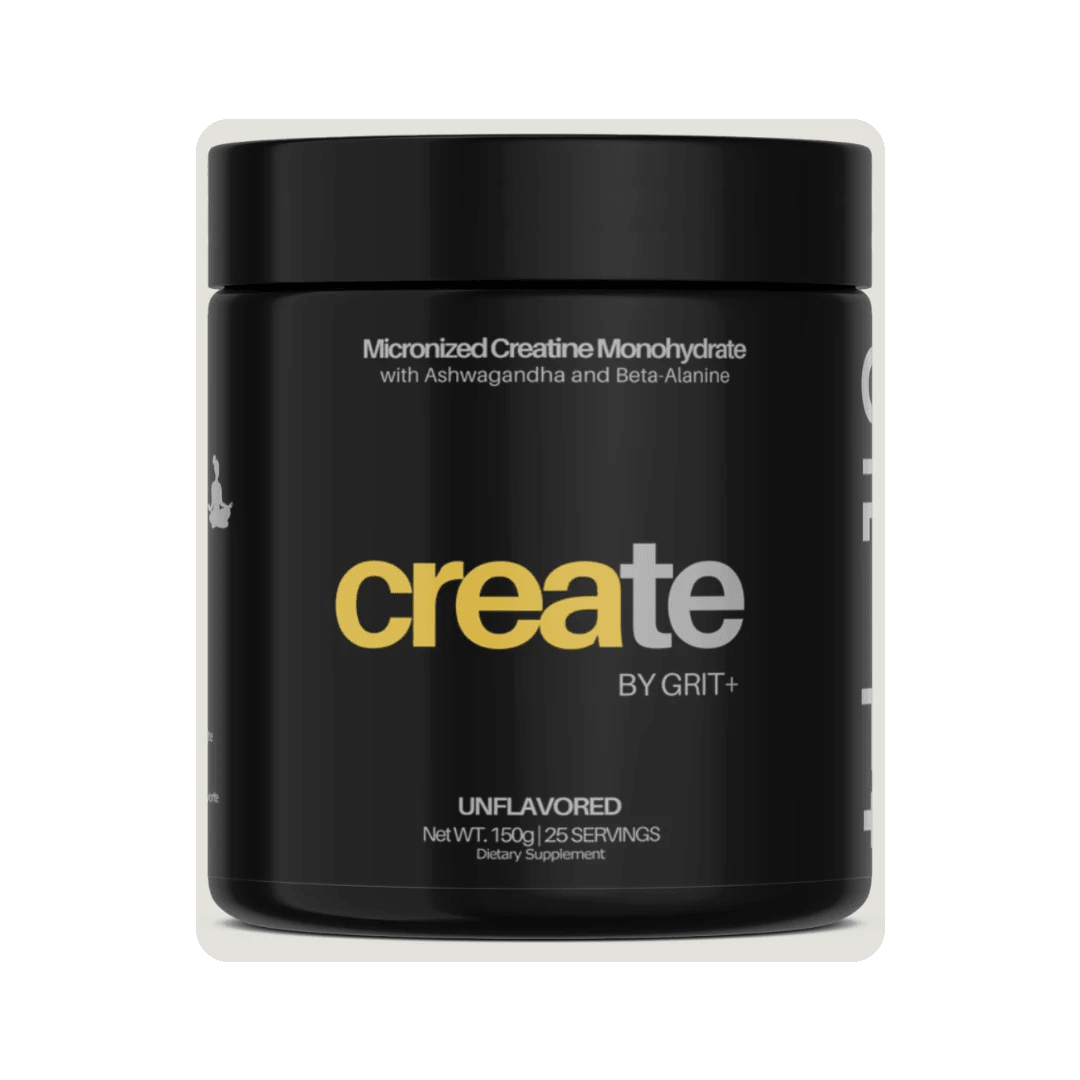
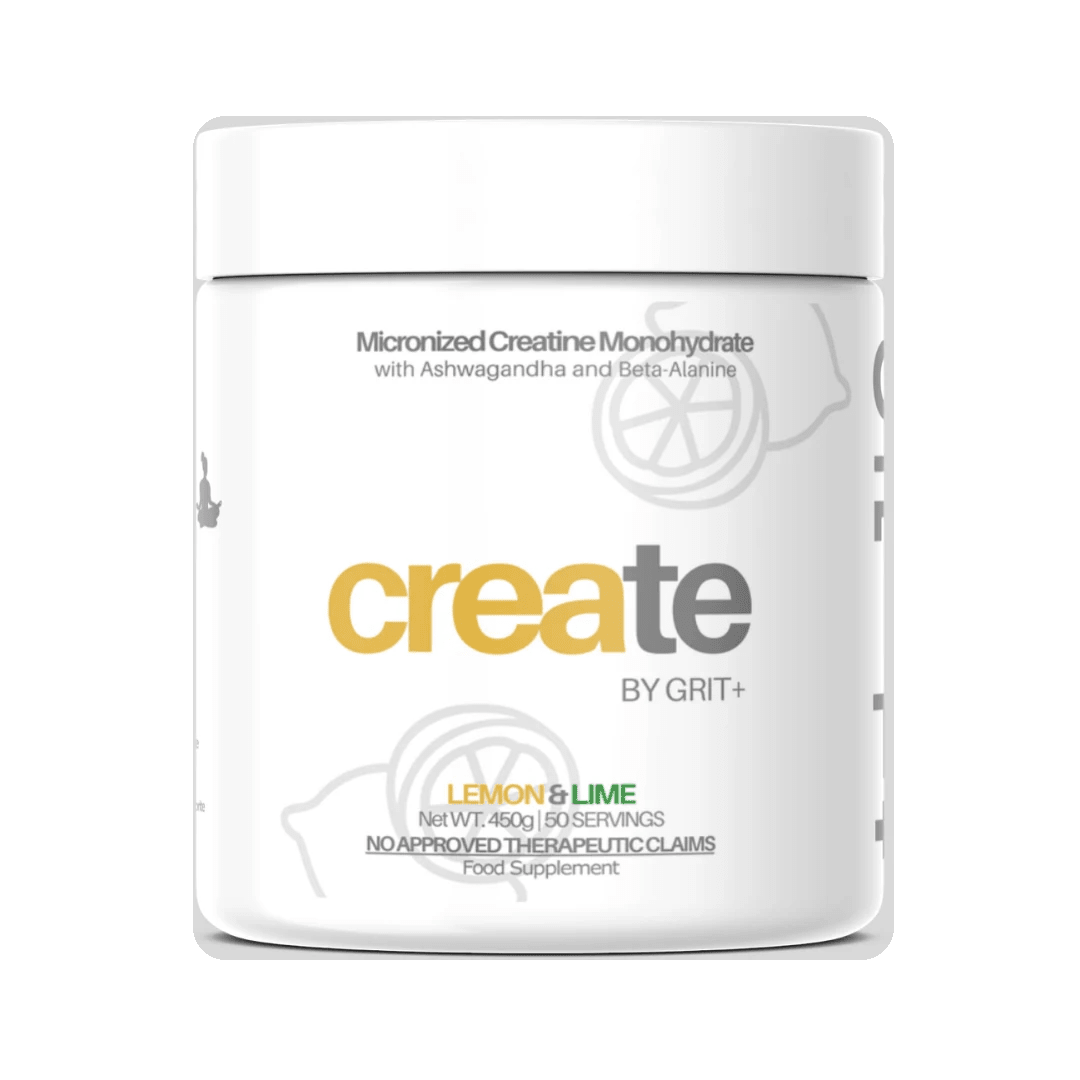
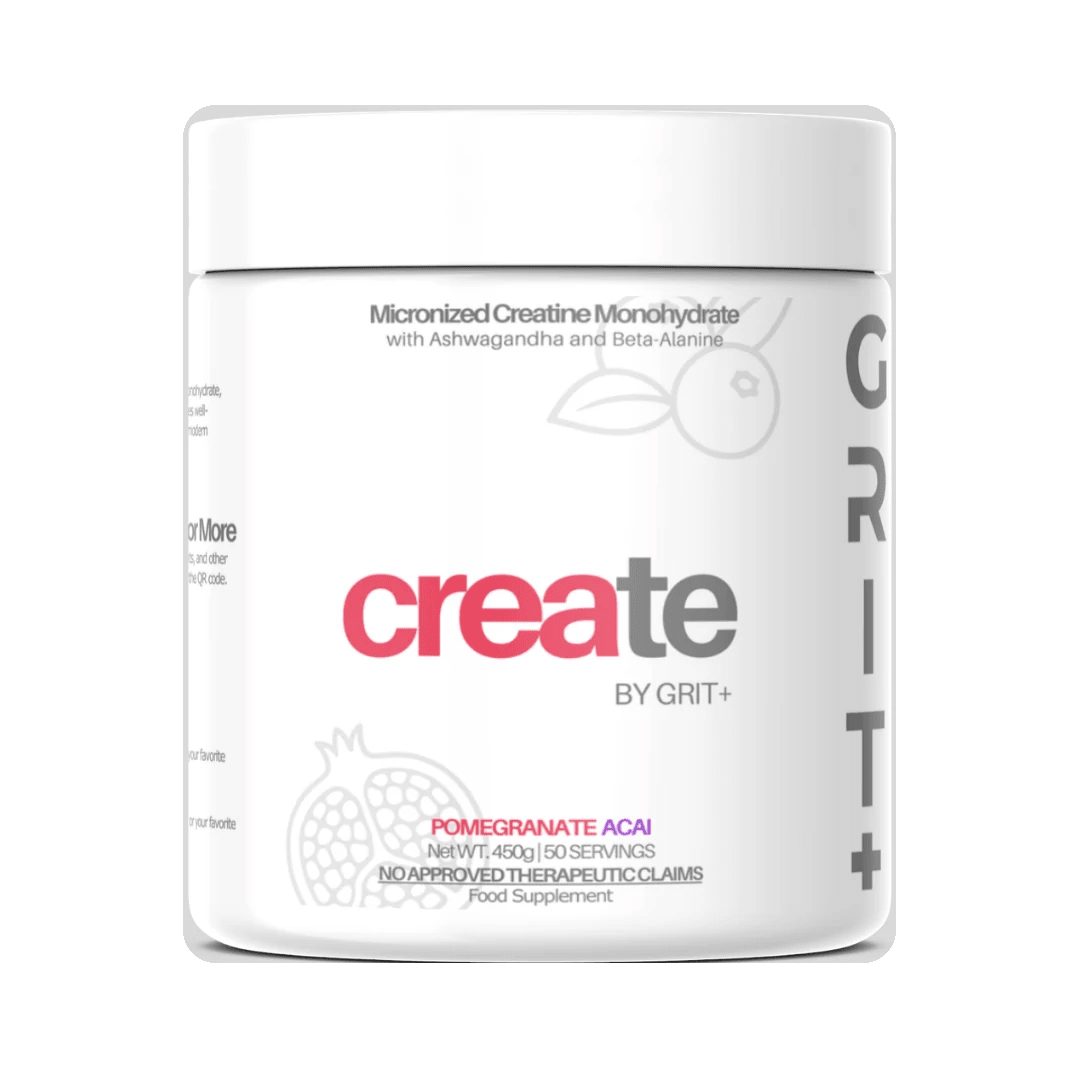
Look for the product or raw-material name, supplier/manufacturer where supplied, batch or lot, sample identification and report date. Distinguish a raw ingredient from the finished flavored product. Testing a creatine ingredient does not automatically measure the full CREATE blend or every production lot.
Read method, result, units and criteria together
An assay result, heavy-metal result and microbiological result concern different questions. Compare the reported method, units and acceptance criteria exactly as written. A result without an applicable criterion may need qualified interpretation. Do not convert a detection-limit notation into zero, or a single tested parameter into an all-purpose safety claim.
What it cannot prove
A COA is not a clinical trial, government endorsement or guarantee that every future batch is identical. A percentage such as 99.7% must be tied to the actual tested material, method and lot. It should not be advertised as finished-product purity when the original record concerns only a raw ingredient.
Using the GRIT+ Hub
Original reports should be viewable with applicable product, flavor and batch context, plus clear available, awaiting, superseded or expired status. No original COA has been supplied for publication in this handoff. Request the specific record; a promotional laboratory badge is not accepted as the document itself.
Original sources
- Philippine FDA FAQs
- Philippine FDA Verification Portal
- NIH Dietary Supplement Label Database
- NCCIH: Ashwagandha
- ISSN Position Stand: Creatine
- ISSN Position Stand: Beta-Alanine
These sources describe ingredients or evidence literacy. They do not establish that CREATE has been clinically tested or independently certified in this handoff.